Custom Sourcing Starts With a Clear Product Direction
Bathroom brands often use the term custom LED mirrors, but a useful OEM or ODM inquiry needs more than the word custom. The supplier must understand the target model style, size range, order plan and buyer type. A brand serving bathroom cabinet channels may need different mirror sizes than a brand focused on hotel projects or sanitary ware distribution.
The fastest way to begin is to choose existing model references from the product catalog, then explain what needs to be adjusted. This gives both sides a common starting point. It also avoids a vague quotation request that cannot be answered accurately.
Use Existing Models as Reference Points
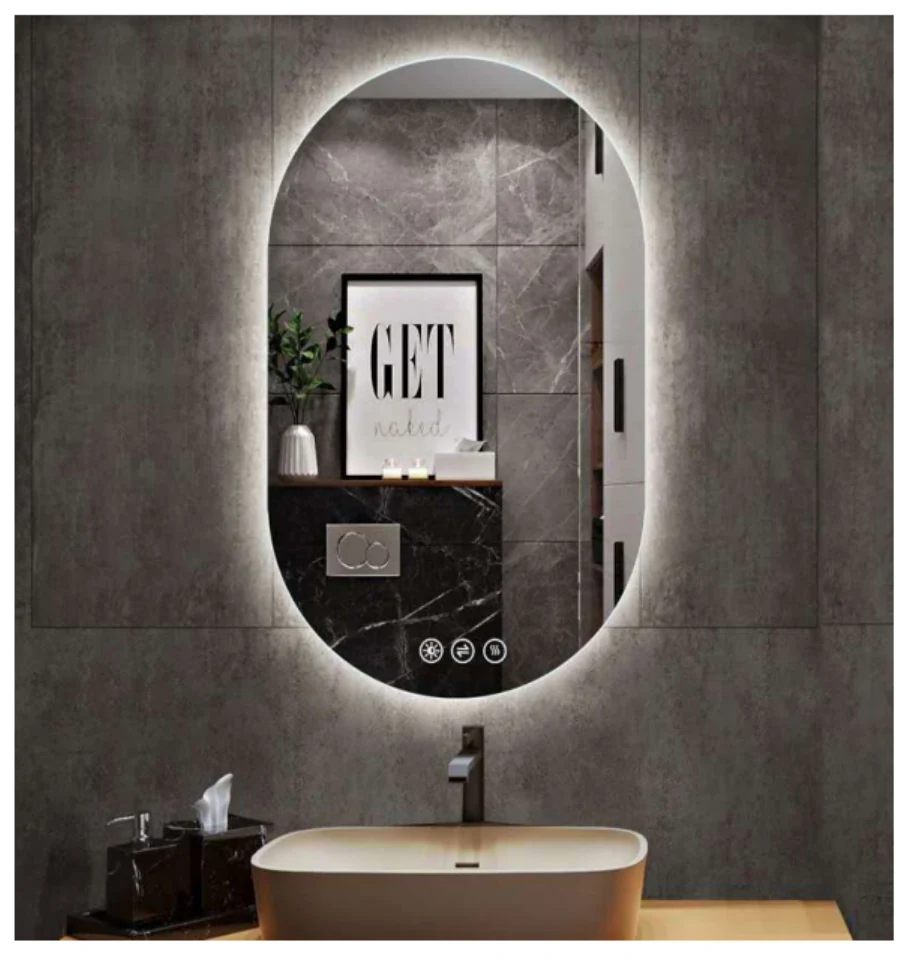
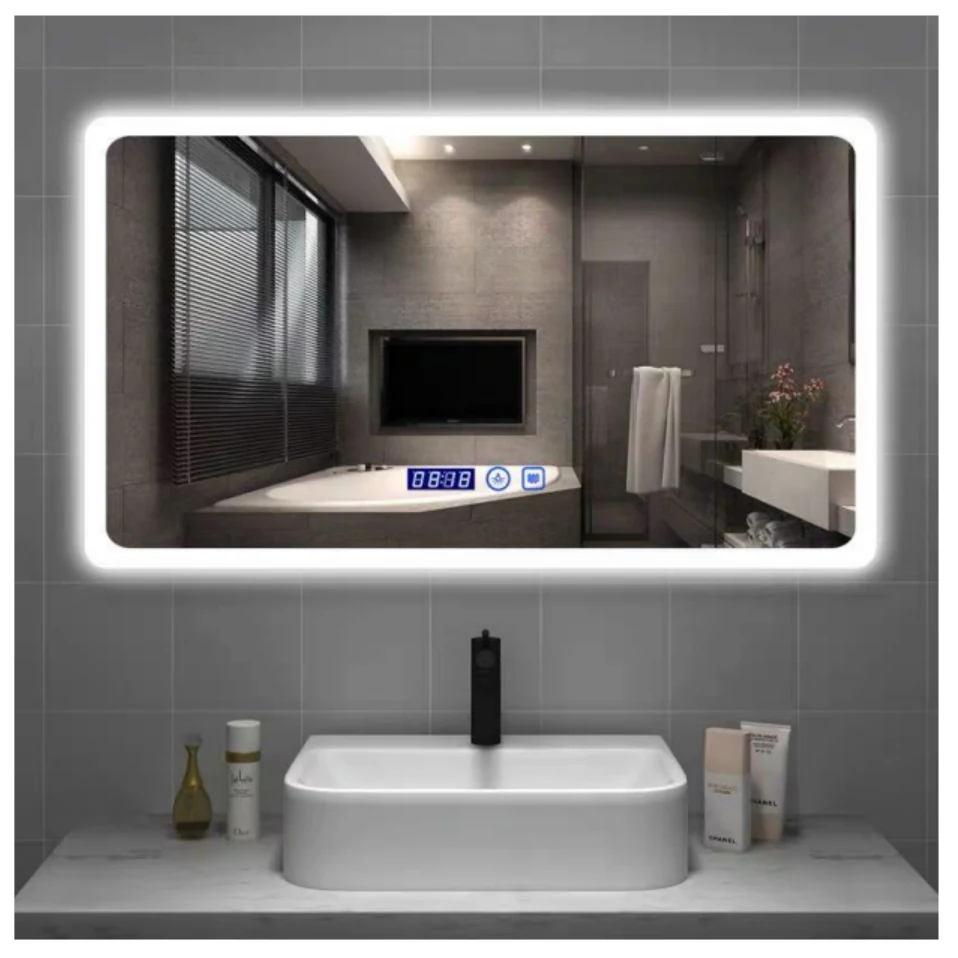
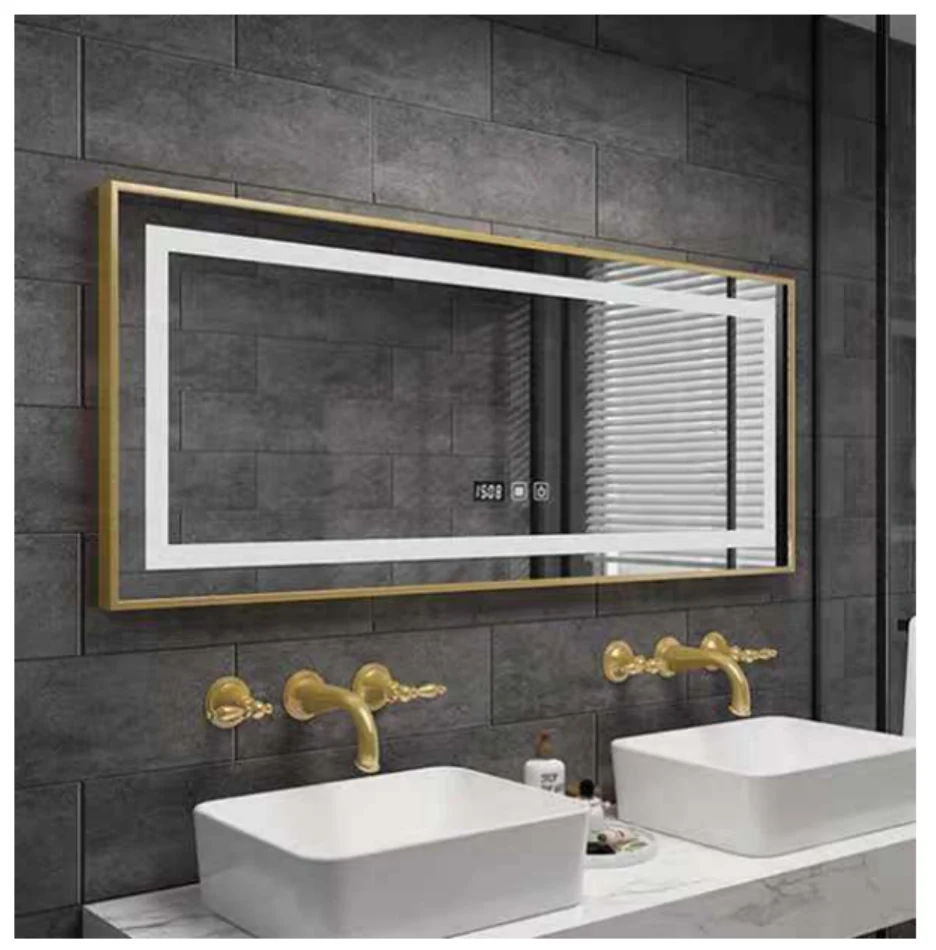
Existing models help the buyer communicate shape, proportion and product category. A rectangular model such as MK903 Rectangular LED Bathroom Mirror may be used as a reference for wider vanity applications. A pill shaped model such as MK950 Pill Shape LED Bathroom Mirror can be reviewed for vertical bathroom layouts. Aluminum frame models such as MK965 Aluminum Frame LED Bathroom Mirror may support brands that want a more defined frame style.
When the buyer references a model, the supplier can discuss whether standard size options are suitable or whether custom size confirmation is needed. This creates a more practical conversation than starting from a blank description.
What OEM and ODM Buyers Should Prepare
A professional OEM LED mirror manufacturer inquiry should include target model numbers, desired sizes, approximate quantity, destination market and application. If the buyer is building a private label range, it is useful to explain whether the mirrors will be sold through distributors, used with bathroom cabinets, or specified for projects.
For ODM bathroom mirror supplier discussions, the buyer can also share the market direction. For example, a brand may want a simple modern range with rectangular and round mirrors, or a higher-design range that includes aluminum frame and oval styles. The clearer the direction, the easier it is to recommend suitable models.
Custom Size Available When Confirmed
Custom size is one of the most common requests in LED mirror sourcing. It should be handled carefully because the correct size depends on vanity width, wall space, project drawings and order quantity. A buyer should first review standard size options, then confirm whether a custom dimension is needed.
For bathroom cabinet brands, custom size often follows cabinet modules. For hotel projects, it may follow approved room drawings. For distributors, standard size options may be enough for the first product range, with custom sizes discussed for specific customer projects later.
Build a Range That Sales Teams Can Explain
A custom LED mirror range should still be easy to sell. Too many similar models can confuse distributors and customers. A practical OEM / ODM range might include rectangular LED mirrors for standard bathrooms, round mirrors for softer designs, oval or pill shapes for vertical spaces, and aluminum frame mirrors for modern project applications.
The LED mirror products page can help buyers compare categories before selecting a range. Internal category pages such as rectangular LED mirrors and aluminum frame LED mirrors make it easier to organize the first shortlist.
Requesting a Focused OEM / ODM Quotation
The quotation request should be direct and complete. Include selected model numbers, size list, expected quantity, market, buyer role and any schedule requirement. If the brand has a cabinet drawing or project layout, include it for size discussion. Avoid adding unconfirmed features unless they are already part of the actual project requirement.
For OEM / ODM project support, send the shortlist through the contact page or email [email protected]. A structured RFQ helps the supplier respond with useful model and quotation information.