Apartment Projects Need Repeatable Choices
Apartment bathroom projects usually need LED vanity mirrors that can be repeated across many similar rooms. The buyer may have compact bathrooms, several cabinet widths and a clear budget range, so the mirror selection should stay practical. A simple model list is easier for the contractor, purchasing team and supplier to confirm than a wide collection of unrelated styles.
Start by reviewing the LED bathroom mirror products and separate models by bathroom layout. Vertical mirrors can suit narrow single vanities, rectangular mirrors can support wider cabinets, and oval mirrors can be used where the project wants a softer residential feeling.
Match Models to Room Types
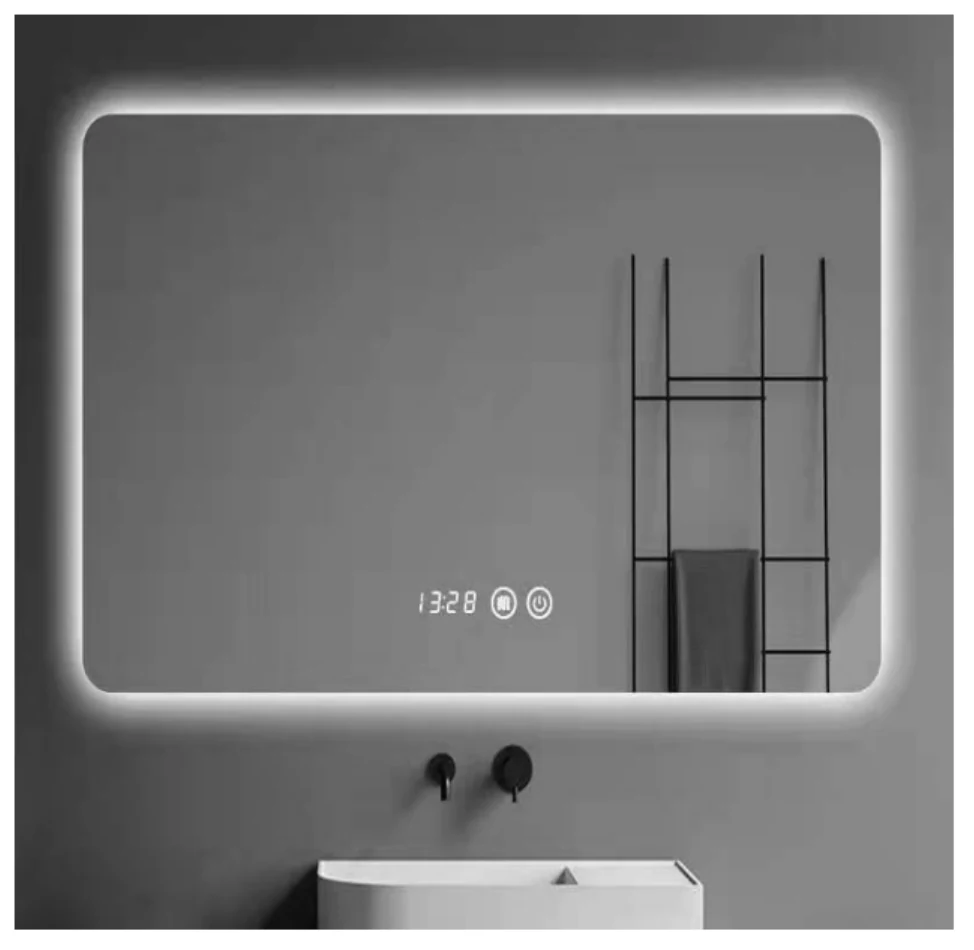
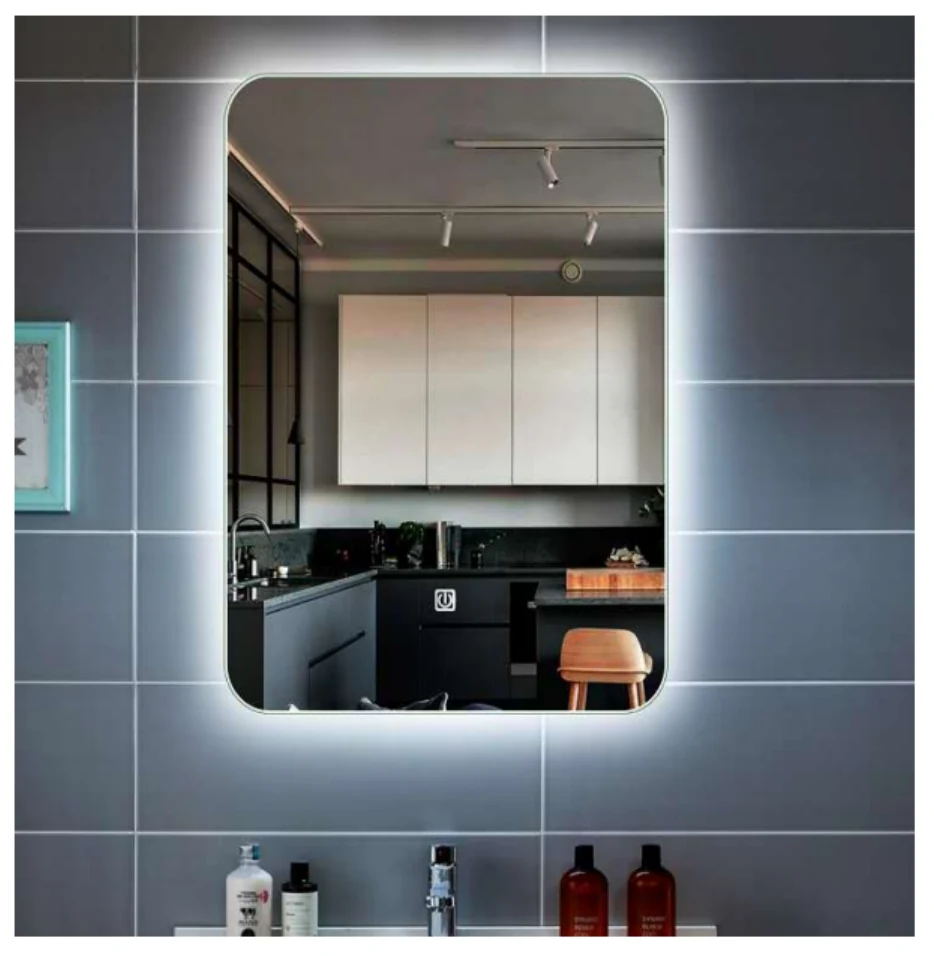
A project with studio apartments, one-bedroom units and larger units may not need the same mirror in every room. Small bathrooms can use a vertical model such as MK928 Vertical Rectangular LED Bathroom Mirror. Wider bathrooms may use a rectangular model such as MK904 Rectangular LED Bathroom Mirror.
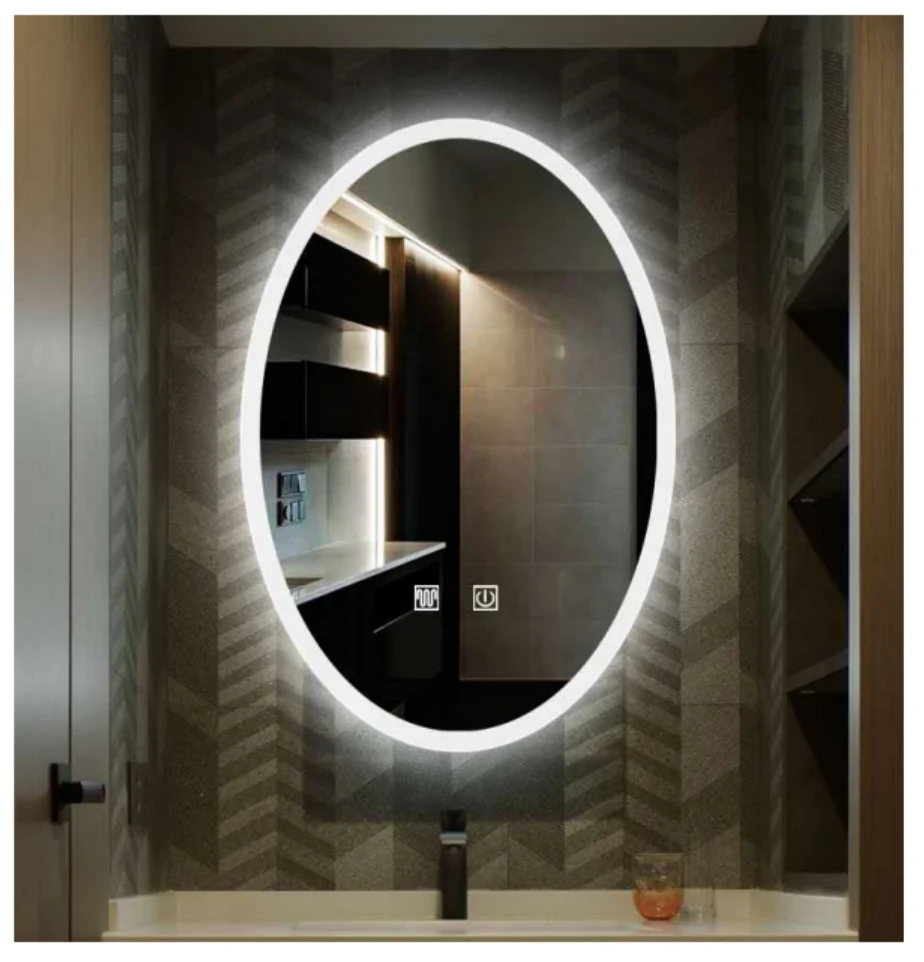
For sample apartments or upgraded units, an oval model such as MK944 Oval LED Bathroom Mirror can be considered. Buyers should avoid mixing too many shapes unless each shape has a clear room type or sales purpose.
Confirm Size Before Price
Apartment buyers should confirm vanity width, wall height, quantity by room type and destination market before requesting prices. If drawings are available, send the vanity elevation or bathroom layout. The supplier can give more relevant suggestions when the mirror is connected to a real cabinet width instead of only a general style request.
The vertical rectangular LED mirrors and rectangular LED mirrors categories are useful starting points for apartments because they cover many compact and standard bathroom layouts.
Before Ordering LED Vanity Mirrors
A clear apartment RFQ should include model numbers, sizes, quantity, room type and whether the request is for sample review or project supply. If the same mirror will be used in all bathrooms, say so. If the project has several room types, list the quantity for each mirror option.
Use the contact page to send the model list. Dongtai LED Mirrors can help match suitable LED vanity mirror options from the catalog for apartment bathroom projects.
Build the Shortlist Around Real Buying Work
After the first model direction is clear, buyers should turn the article topic into a working shortlist. For led vanity mirrors for apartment bathroom projects, the shortlist should include the model number, shape group, target size, quantity range and intended application. A distributor may need models for showroom display and stock planning, while a contractor may need fewer models that are easy to explain to project customers. The same LED bathroom mirror can be suitable in both cases, but the quotation request should describe the buying situation clearly.
A practical shortlist usually includes one core option, one design alternative and one backup option. This helps the buyer compare price, visual direction and size fit without asking for every model in the catalog. The LED bathroom mirror products page can be used as the main reference, then category pages can narrow the choice by shape.
Confirm Internal Details Before Contacting the Supplier
Many delays happen before the supplier even replies because the buyer has not aligned internally. Sales teams, project managers, cabinet designers and purchasing staff may have different priorities. Before sending an inquiry, confirm whether the mirror is for showroom display, customer resale, apartment bathrooms, hotel rooms, renovation work or a bathroom cabinet product line. Also confirm whether the first request is for sample review, catalog comparison or a project quotation.
The buyer should also decide which details are fixed and which details can still change. If the size is fixed by a cabinet drawing, say so. If the size is only a preferred direction, mark it as target size. This helps the supplier discuss standard size options and custom size possibilities without misunderstanding the project stage.
Make the RFQ Easy to Answer
A useful RFQ is direct: selected model numbers, required sizes, quantity, destination market, buyer type and application. If the buyer has drawings, showroom photos or cabinet dimensions, attach them as reference. Avoid broad questions such as asking for all LED mirror prices, because the answer will not help the buyer compare models efficiently. A focused RFQ allows the supplier to reply with relevant model and size information.
For this type of purchase, send the prepared shortlist through the contact page. If the inquiry is for a project or showroom, include the planned quantity and the reason for each mirror shape. That context helps Dongtai LED Mirrors recommend suitable catalog models instead of only responding with a general product introduction.
Use Product Categories to Control the Selection
When a buyer is comparing several LED mirror directions, categories prevent the selection from becoming random. Start with the shape that best matches the application, then compare two or three models within that category. For example, rectangular mirrors are easier to connect with cabinet width, vertical mirrors suit narrow vanities, round mirrors support softer retail displays, and aluminum frame mirrors provide a more defined design edge.
This category-first method is useful for importers and showroom buyers because it creates a product story. The sales team can explain why each mirror is in the range instead of presenting a group of unrelated product photos. It also helps the purchasing team request prices in a cleaner format, with model numbers grouped by application.
Check the Article Topic Against the Buyer Channel
The same topic can lead to different decisions depending on the buyer channel. A bathroom cabinet factory cares about cabinet width, repeated sizes and how the mirror fits a cabinet program. A sanitary ware distributor cares about assortment, display value and the ability to sell to several customer types. A hotel or apartment buyer cares about repeated room layouts and clear project quantities. A renovation contractor cares about practical replacement choices and customer approval.
Before confirming the final mirror list, buyers should write one sentence for each selected model explaining why it belongs in the project or product line. If the reason is not clear, the model may not be needed. This simple discipline keeps the inquiry focused and avoids overloading the quotation with too many similar options.
Prepare Follow-Up Questions After the First Quote
The first quotation is usually not the end of the sourcing discussion. Buyers may need to confirm size alternatives, compare a second shape, adjust quantities or prepare sample requests. Keep follow-up questions organized by model number so the supplier can answer accurately. If the buyer changes the size or application, mention that change clearly instead of continuing the old quotation thread without context.
For a smoother process, keep one shared file with model numbers, product links, target sizes, quantities and notes from the supplier. This is especially helpful when the buyer has several internal decision makers. Once the shortlist is confirmed, send the final model list through the contact page for updated quotation support.