
Decide which work the buyer wants to own
Buying directly from a manufacturer usually puts the buyer closer to drawing changes, component decisions, sample approval and production updates. A trading company may coordinate several factories, combine categories or take on some follow-up work. Either route can suit a project; the useful comparison is the service and responsibility behind the quotation.
Direct buying is often attractive to importers with repeat volume, a clear technical brief and staff who can review samples and documents. A small buyer assembling many unrelated bathroom products may value a coordinating intermediary more.
Look for communication gains that can be tested
Ask who answers engineering questions, who owns drawing revisions and who can show the approved sample to the production team. Direct contact can shorten a clarification chain, but it only helps if the supplier can identify the responsible people and keep written records. A meeting alone does not establish manufacturing control.
Use the factory verification checklist to confirm the production relationship. Compare answers about model availability against the product range.
Balance samples, batch orders and landed cost
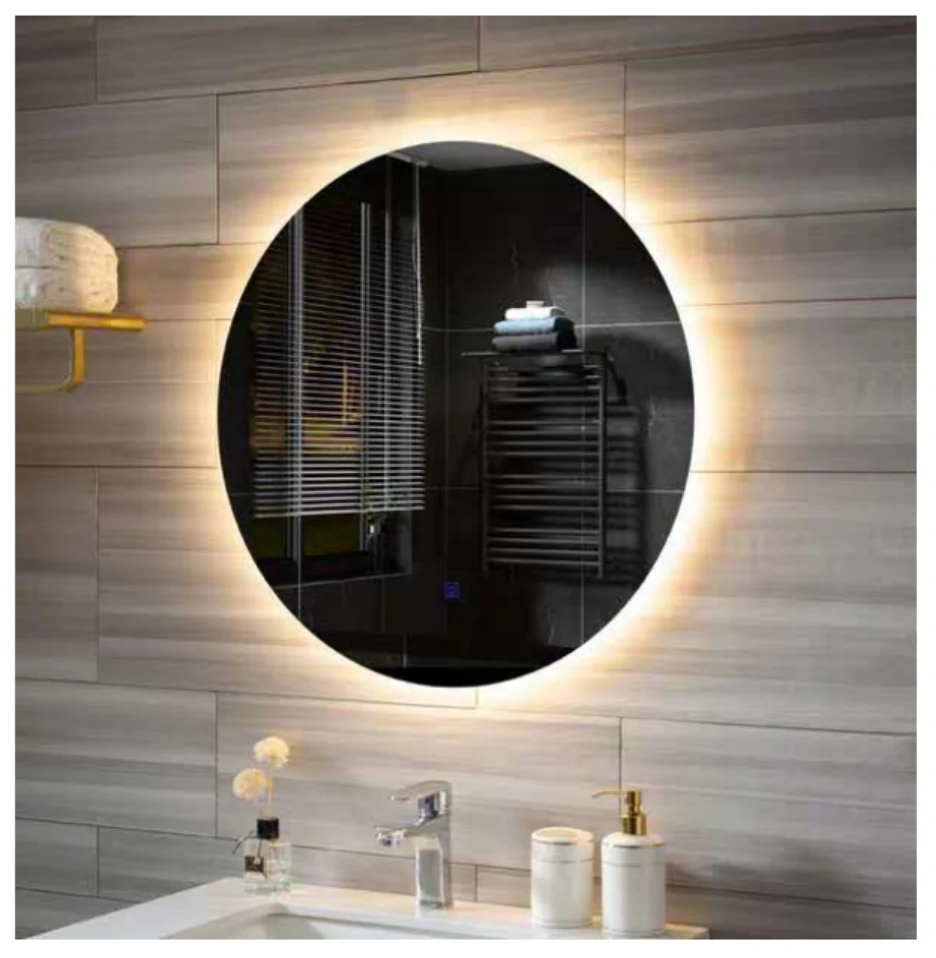
For a custom mirror, agree who approves the sample, which revision is released for bulk production and how changes will be priced. A buyer must coordinate inspection and shipment release as well as initial selection. If several mirror models share one order, ask how each configuration is tracked and packed.
A lower ex-factory quote does not guarantee the lowest landed cost. Compare sample expense, inspection, freight, duties, documentation, inventory and the time your team spends managing exceptions. Likewise, direct purchasing does not automatically produce a faster lead time.
Use a short decision test
Direct sourcing makes sense when the buyer can provide a stable specification, wants visibility into revisions and batch checks, and can manage import responsibilities. A managed intermediary may be better when the buyer needs category consolidation or local support beyond the factory’s scope. Put those services on a comparison sheet instead of comparing unit price alone.
Read about Dongtai and ask specific questions through the contact page. Send model numbers, target quantities, destination market and any custom drawing so the response can address the actual purchasing route.
A fair direct-versus-intermediary comparison
For the same model and quantity, compare who develops drawings, arranges a sample, validates components, books inspection, handles export papers, consolidates freight and resolves a defect. Write a named owner next to each task. A supplier with the lower unit quote may leave more work with the importer; an intermediary may charge for coordination that the buyer genuinely needs.
Run a small, well-specified inquiry before committing to a long-term route. Ask for the same drawings, component assumptions, packing and quotation terms from each option. Judge how clearly questions are answered and how changes are recorded. The best route is the one whose total responsibility and cost fit the buyer’s capabilities, not a label on the supplier’s website.