Release the drawing before materials are committed
Manufacturing should start from an approved revision that names the model, outer dimensions, glass thickness, edge treatment, light layout, controls, rear mounting and electrical input. A front elevation alone is inadequate: the rear view must show the bracket, connection area and any service clearance. A bathroom cabinet factory should also verify the mirror centerline against the vanity drawing.
A buyer can use the project specification guide to assemble those details. If a sample changes after approval, issue a revised drawing rather than relying on an email saying “make it like the new sample.”
Prepare the mirror and its supporting parts
In a typical production sequence, the mirror substrate is cut to the approved dimensions and its edges are finished for the intended design. The reflective surface and any light-transmitting areas are prepared according to the chosen construction. A framed design adds frame preparation and fit checks; a frameless design shifts attention to exposed edge finish and rear support.
These are industry process stages, not a claim that Dongtai uses a particular cutting, coating or machining line. Ask the supplier which stages are done on site and which are sourced, especially if a project depends on a special glass finish or unusual shape. The decision affects sampling and change control.
Build the light and rear assembly
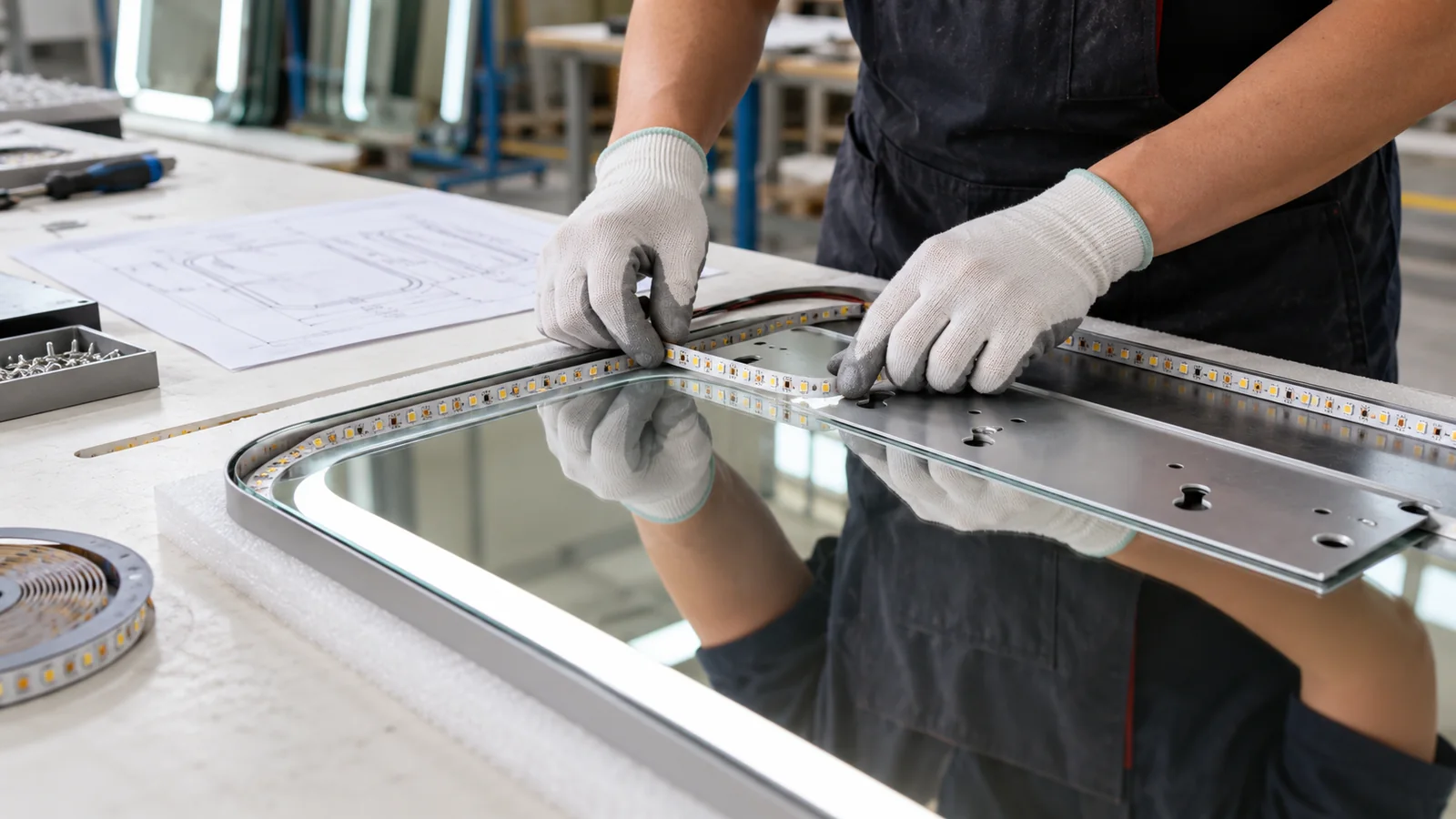
The LED strip, driver, wiring and optional control parts have to match the approved electrical specification. The assembly team positions the light source for the intended effect, secures connections and checks that wiring is kept clear of mounting points. The rear structure carries the mirror, protects components and determines how an installer reaches the connection.
Do not infer electrical compatibility from a photo of a lit sample. Confirm input range, driver output, control method, connector arrangement and destination-market requirements in writing. For a framed mirror, confirm whether the frame itself or a separate rear plate is part of the mounting system.
Check, protect and pack the finished product
Before packing, check dimensions, edge condition, reflective surface, light uniformity, switching and the appearance of the rear assembly. A functional check should use the specified input and document any failed unit and its disposition. Protective film and corner protection should be chosen for the actual mirror geometry, then the packed sample should be reviewed for handling and transport needs.
A drawing, approved sample and final packing specification form the three practical references for a production order. Ask for confirmation of the checks that will be made for the chosen model. Browse framed mirror examples or other models before defining a process that may only suit one design.
Where designs change the route
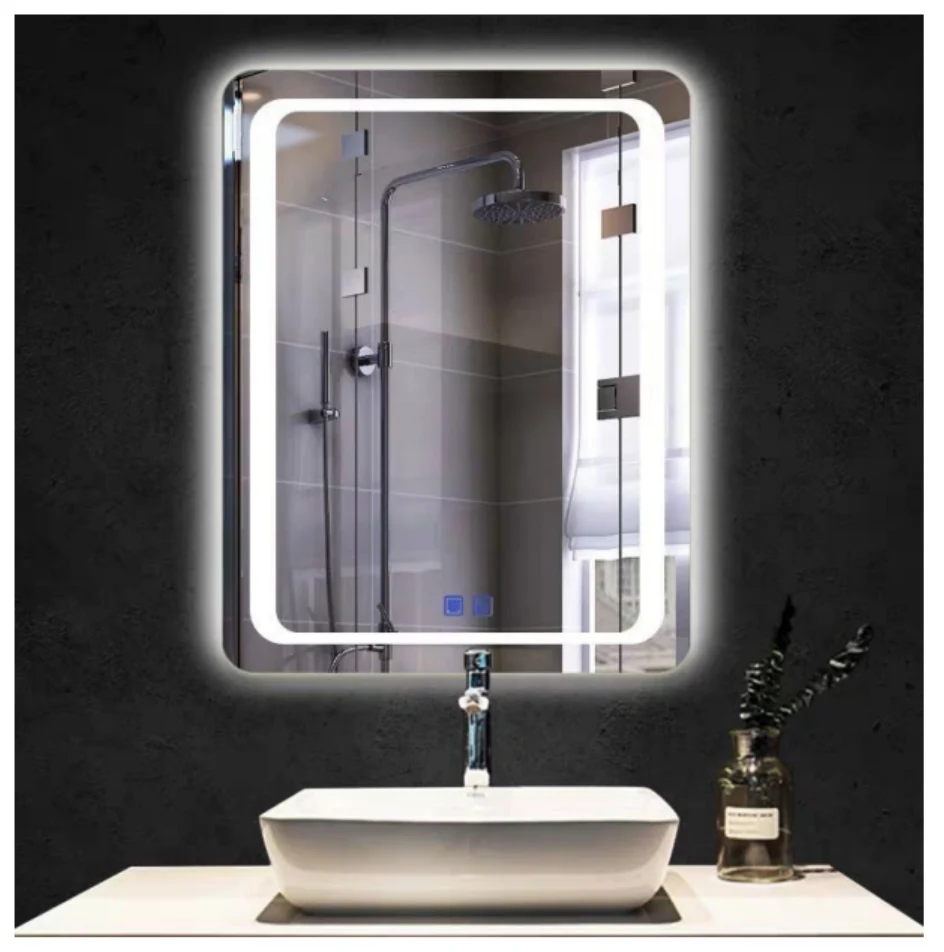
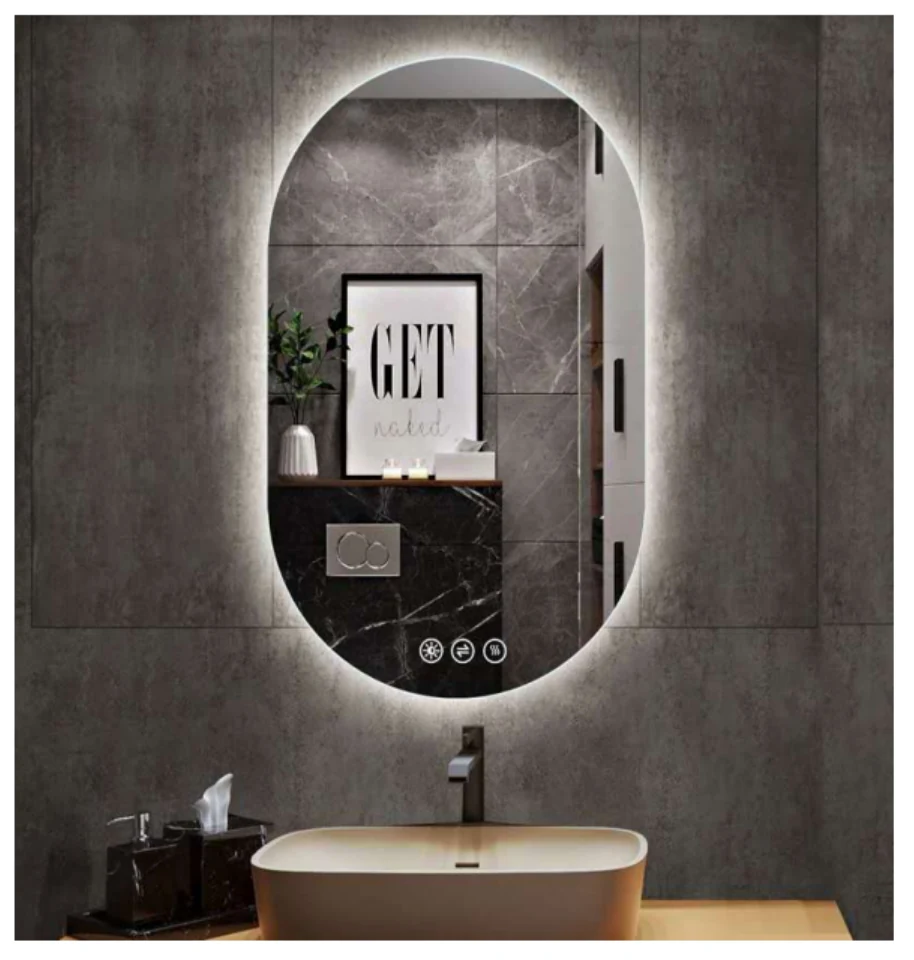
A large rectangular mirror and a small round mirror can share electrical concepts while needing different handling, edge preparation, rear supports and cartons. A framed design adds fit and finish checks; a custom light opening may require an additional appearance approval. Ask for a process map for the actual design rather than treating a generic factory video as the production plan for every model.
At the handoff between stages, identify the record that prevents a wrong variant from proceeding: drawing revision at cutting, component code at assembly, model label at functional check and carton code at packing. If a buyer changes dimensions after glass preparation, the consequence can reach several downstream parts. That is why design freeze belongs at the start of the schedule.